Bedding guide
Coyuchi Duvet Covers: A Guide to Natural Materials and Everyday Care
A duvet cover is one of the bedding pieces you notice night after night: against your skin, across the bed, and in the laundry routine. When comparing Coyuchi duvet covers, look beyond color and styling. Fiber, weave, finishing, closures, and care instructions all shape how a cover feels and how well it fits into everyday life.
Published November 18, 2026
Why the duvet cover deserves a closer look
A duvet cover is both a practical layer and a major part of a bedroom’s look. It protects the insert from body oils, dust, and routine wear, while making it possible to refresh the bed without laundering a bulky comforter every week. The fabric also sits close to the sleeper, so its texture and temperature feel can matter as much as its appearance.
Natural bedding attracts people for different reasons. Some favor the tactile character of linen; others prefer the familiar smoothness of cotton. A thoughtfully chosen cover can help create a bed that feels comfortable across seasons and is manageable to wash at home. But “natural” is not a complete specification. Check the fiber content, construction, finish, and the maker’s care label before deciding whether a particular cover suits your routine.
Coyuchi is associated with organic and natural-fiber bedding, but details can differ among products and collections. The name alone does not tell you whether a specific duvet cover is linen or cotton, how it is woven, or what care it requires. Treat each product description as its own set of facts, and compare those facts with your preferences rather than assuming every cover shares identical qualities.
Start with the fiber: linen, cotton, and blends
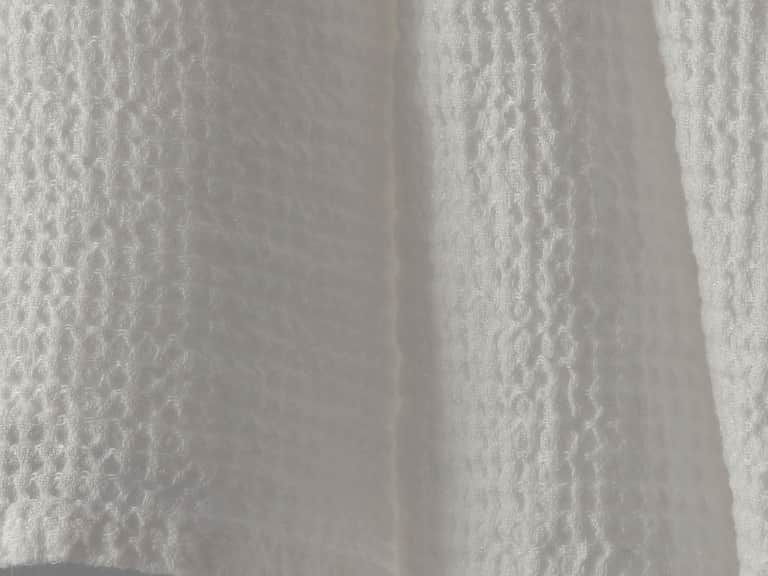
Fiber content is a useful first filter. Linen is made from flax and is known for its pronounced texture and relaxed drape. Depending on the weave and finish, linen can feel crisp at first or soft and broken-in from the start. Many sleepers appreciate its airy feel and the way it becomes more supple with use and washing. Its natural creases are part of the look, not necessarily a flaw to be pressed away.
Cotton is another common choice for a duvet cover. It can be woven into a range of surfaces, from smooth percale to silkier sateen. Those weave and finish differences are important: two covers made from cotton can feel quite distinct. Cotton may suit someone seeking a familiar, easy-to-coordinate bedding staple, while linen may appeal to someone who likes visible texture and a softer, more informal finish.
Some bedding uses a blend of fibers. A blend can change the hand, drape, durability, and laundering behavior, so read the full composition rather than focusing on a headline phrase. Likewise, a label such as “organic” relates to how a fiber or textile is certified or produced; it does not, on its own, guarantee a particular softness, weight, or feel. If certification matters to you, look for the specific certification and what part of the product it covers.
For a reference point in natural bedding, the organic relaxed linen duvet cover is described as 100% organic French linen, woven in Portugal from flax grown in France. Its listed construction includes an interior flap, coconut shell buttons, and inside ties. These are product-specific details, not a claim about the construction or materials of every Coyuchi duvet cover. Comparing a listing like this with the specifications for a Coyuchi option can help clarify which details matter most to you.
How weave and finish change the feel
Fiber tells only part of the story. Weave affects surface texture, airflow, weight, and the way a cover drapes. Linen’s characteristic texture is often more apparent than that of finely woven cotton, although the exact feel depends on yarn, weave, and finishing. When available, product descriptions that identify the weave or finish can help you make a more informed comparison than broad claims about softness or breathability.
Finishing processes can alter the first impression of a textile. Stone washing, garment washing, or other treatments may produce a softer, more relaxed feel before the first home laundering. A crisp or untreated surface, by contrast, may change gradually with use. These terms do not replace a hands-on assessment, but they help explain why two otherwise similar fabrics might arrive with different textures.
Consider how you want the bed to look when it is made—and how much effort you want to put into making it look that way. A washed linen cover usually welcomes a casually rumpled appearance. If you prefer a smooth, sharply pressed bed, a different fabric or finish may be more satisfying, or you may want to plan for additional ironing. A cover’s natural creasing is a normal characteristic of linen and should be weighed against your personal preference rather than treated as a defect.
Thread count is not a universal shortcut to quality. It is most often used to describe certain cotton constructions and does not provide a direct comparison with linen. For either fiber, useful questions include: What is the material? How does it feel? Is the fabric described as lightweight or substantial? What finish does it have? Are care instructions practical for your household? Together, those answers offer a more meaningful picture than one number.
Construction details that make daily use easier
A duvet cover’s closures and internal fastenings may seem like small details, but they influence how easy it is to change the bed and whether the insert stays in place. Common closures include buttons, ties, zippers, and overlapping flaps. None is automatically best for everyone: consider what is comfortable to handle and how secure you want the closure to feel.
Interior ties or loops can attach to matching points on a duvet insert, helping reduce shifting and bunching during sleep. Before buying, check whether the cover has ties and whether your insert has compatible loops. If the insert lacks attachment points, you may still use the cover, but it can take more adjustment to keep the layers aligned.
An interior flap adds an overlapping section of fabric at the opening. It can help conceal the closure and keep the edge looking tidy. Buttons may offer a traditional finish, while zippers can make closing the cover quick. Inspect the product details for the actual closure system rather than assuming that a style shown in a photo tells the whole story.
Fit is equally important. Match the cover’s stated dimensions with those of your duvet insert, taking account of the manufacturer’s sizing guidance. A cover that is substantially larger can allow the insert to slide or gather; one that is too small can compress the fill and make the bed feel less even. Bedding sizes and naming conventions vary, so comparing measurements is more reliable than relying on “queen” or “king” alone.
- Confirm the cover’s fiber composition and dimensions.
- Check for interior ties, loops, buttons, zippers, or a flap.
- Compare the closure and fastening details with your duvet insert.
- Read the care label before laundering, especially if the cover has decorative details.
Choosing a cover for your bedding routine
The best natural duvet cover is not necessarily the one with the most elaborate description. It is the one whose material, feel, and maintenance fit your day-to-day life. Think about how often you wash bedding, whether you line dry or use a dryer, and how much time you want to spend smoothing or ironing fabric. These ordinary considerations can matter more over time than a trend-driven color or a decorative finish.
If you wash bedding frequently, prioritize clear instructions and a routine you can follow consistently. A removable cover makes regular care more manageable than washing a large duvet insert, but the cover itself still needs appropriate handling. If you share laundry space, have a smaller machine, or prefer to air-dry textiles, check the cover’s dimensions and instructions with those constraints in mind.
Think about the rest of the bed, too. A duvet cover sits alongside sheets, pillowcases, blankets, and sometimes a quilt or coverlet. Linen can work with linen or add a relaxed contrast to cotton. A simple, solid cover may be an adaptable foundation, while embroidery, stripes, or a distinctive weave can make the duvet the focal point. Choosing one main texture and keeping other layers quieter can create an inviting bed without making it feel busy.
Temperature comfort is personal and depends on more than the cover alone. Room conditions, the duvet insert’s filling and weight, pajamas, and individual sleep preferences all contribute. Breathable natural fibers may be appealing to people who prefer an airy surface, but no cover can guarantee that every sleeper will feel cool or warm in the same conditions. Consider the whole sleep setup, not just the fabric name.
Everyday duvet cover care
Care instructions are part of the product, not an afterthought. Always follow the specific label for your cover, since recommended temperatures and drying methods can vary by fiber, dye, finish, and construction. General linen guidance can be useful, but it should not override the manufacturer’s directions.
Before washing, close buttons or zippers and turn the cover inside out if the care label permits. Unfold it fully, avoid overloading the machine, and wash with similar colors. A crowded load can prevent fabric from moving freely and rinsing thoroughly. Use a mild detergent when recommended, and avoid bleach unless the label explicitly says it is safe for that textile. Strong chemicals or overly vigorous washing can affect color and fiber over time.
Choose a gentle cycle and a moderate water temperature only when those choices align with the care label. For linen, warm or hot water is not automatically better; unnecessarily harsh conditions can increase wear or contribute to unwanted changes in fit. If the cover is new, checking its instructions before the first wash is especially sensible. Some finishes are designed to develop a particular texture with laundering, and the maker may give specific advice on how to achieve it.
Drying deserves the same attention. Line drying, when practical and permitted by the label, can reduce exposure to high heat and help preserve the fabric’s character. If using a tumble dryer, follow the stated setting and remove the cover promptly rather than allowing it to overdry. Shake it out before drying or once it comes out of the machine to help release folds and make it easier to place back on the insert.
Ironing is optional for many relaxed linen styles. If you like a smoother finish and the care instructions allow it, linen is often easier to press while slightly damp, using steam. But a rumpled surface is a natural part of linen’s visual character. Decide how polished you want the bed to look, and let that preference guide whether ironing becomes part of your routine.
A simple wash-and-reset routine
Making duvet care feel manageable starts with a repeatable sequence. Remove the cover carefully, keeping the insert’s corners accessible. If the cover uses ties, untie them rather than pulling the fabric free. Check the care label and any attached trim, then close the fasteners before washing. These few steps help reduce tangling and make the cover easier to handle when it is clean.
- Prepare: Empty the cover fully, check for loose items, and secure its closures.
- Wash thoughtfully: Use the label’s recommended cycle, detergent, and water temperature. Avoid crowding the drum.
- Dry with care: Line dry or tumble dry only as directed, and avoid overdrying.
- Reassemble: Turn the cover as needed, match the insert’s corners, secure interior ties, and fasten the opening.
- Store extras properly: Keep clean spare covers dry and aired, away from damp conditions.
Having a second cover can make laundry day less disruptive, especially if you prefer to wash bedding on a schedule. It also allows a quick change in color or texture without replacing the duvet insert. Store the spare only after it is fully dry, and follow any care guidance about folding or long-term storage.
Natural materials and sustainability claims
Many shoppers consider environmental impact alongside comfort. Natural fibers and organic labeling can be part of that conversation, but it is worth approaching claims with curiosity. Look for clearly stated fiber content, the name of any certification, and an explanation of what the certification applies to. A label on one component does not necessarily describe every part of a finished product, such as its buttons, thread, or packaging.
Longevity is another practical consideration. A duvet cover that is comfortable enough to use regularly and easy enough to care for may remain in rotation for years. Durable construction, secure seams, compatible sizing, and a finish you still enjoy after repeated laundering all contribute to long-term usefulness. Repairing a small seam issue, when feasible, can also extend a textile’s life.
It is wise to distinguish verified product information from broad environmental language. Phrases such as “eco-friendly” or “sustainable” can mean different things unless supported by specific details. If a claim influences your decision, look for its scope and evidence, and compare it with your own priorities. The goal is not to find a perfect textile but to make a considered choice based on information that is actually provided.
What to compare when browsing Coyuchi duvet covers
When comparing Coyuchi duvet covers, use a short checklist rather than relying on photographs or general impressions. Start with the exact material and certification details. Then note the weave or finish, if supplied, and consider whether the described texture matches your preference. A product name may suggest a material, but the full composition is the dependable source.
Next, compare dimensions, opening placement, and internal fastenings. Look for care instructions before you purchase, not after the cover arrives. If you want a low-effort routine, a product that requires special handling may not be the right fit, however appealing its color or texture. If you enjoy line drying or a relaxed, unpressed finish, those requirements may feel perfectly reasonable.
Finally, think about the cover in context. Will it work with the insert you already own? Does its color coordinate with your sheets? Is its surface one you want to feel every night? A cover is a frequent-use textile, so a good decision balances appearance with comfort, construction, and upkeep. A well-chosen duvet cover should make the bed feel more personal while remaining practical to live with.
- Material: Confirm the complete fiber composition.
- Feel: Consider texture, finish, weight, and the look of natural creasing.
- Fit: Match stated dimensions with your duvet insert.
- Construction: Check closures, interior ties, and seam details.
- Care: Make sure the washing and drying routine suits your household.
- Claims: Look for specific certification information when it matters to you.
The bottom line
A Coyuchi duvet cover can be evaluated most confidently by its individual specifications: fiber, weave, finish, sizing, closure, and care directions. Natural materials offer different textures and laundering considerations, so choosing between linen, cotton, or a blend comes down to what feels good to you and what you can maintain comfortably.
Before settling on a cover, check that it fits your insert, that its construction suits your preferences, and that its care instructions are realistic for your routine. With those practical details in view, it becomes easier to choose bedding that feels inviting at bedtime and remains manageable through everyday washing.