Bedding fabrics · Pillow styling
How Jacquard Texture Changes the Look and Feel of Pillow Shams
A patterned pillow sham doesn’t need a printed motif, a row of fringe, or a sparkling embellishment to make a bed feel thoughtfully finished. With jacquard, the design is built into the weave itself—creating texture, depth, and shifting light through the interplay of threads. The effect can be whisper-quiet or delightfully dramatic, but it always brings something a flat surface can’t: dimension you can see and feel.
Whether you’re building a calm, tonal bed or looking for one detail that gives simple bedding a little personality, understanding how jacquard works can make the choice easier. Here’s what to notice in the pattern, fabric weight, hand, and care instructions before adding woven texture to your pillow lineup.
What makes a pillow sham jacquard?
Jacquard describes a method of weaving patterns directly into cloth. Rather than applying a design to the finished surface with ink, the loom controls individual threads so that they form a motif as the fabric is made. The pattern is part of the textile’s structure, not an extra layer sitting on top of it.
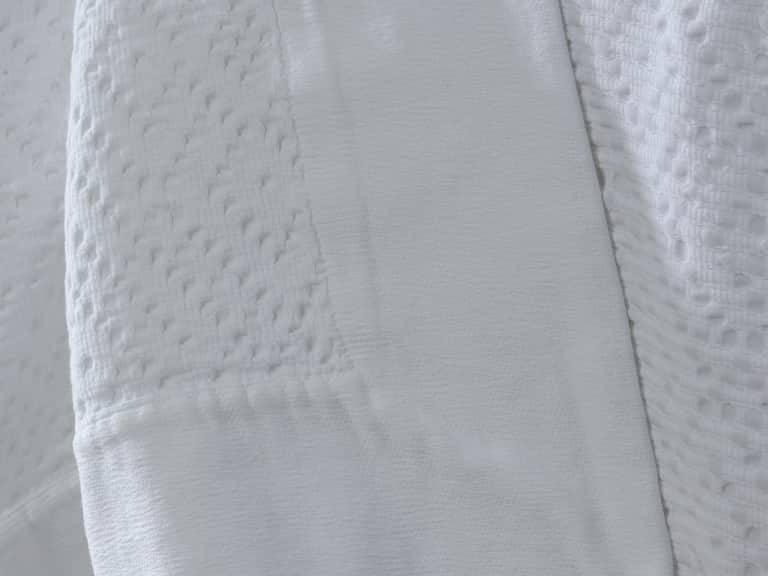
That distinction changes the way a sham looks. A printed flower or stripe may appear chiefly as a change in color; a jacquard flower or stripe can also change the surface’s texture. Depending on the weave, areas of the design may sit slightly higher, feel more substantial, or reflect light differently from the surrounding ground. The result is visual interest with a tactile element—subtle enough for a quiet bedroom, yet rewarding when you look closer.
Jacquard is not a single pattern or a promise of a particular fabric. The term refers to the weaving technique, while the yarn, fiber, weave structure, scale, and finishing determine the final character. Two jacquard shams can therefore look and feel entirely different. One might have a small, closely repeated motif with an almost smooth hand; another could feature broad, sculptural shapes that create a more pronounced relief.
That’s why the word alone is only a starting point. To choose well, consider both what the design does across the bed and how the fabric will feel when you lean against it.
Texture adds dimension without adding clutter
The appeal of woven texture is its ability to enrich a bed without asking for a busier color scheme. If your sheets, duvet, and coverlet are mostly solid, a jacquard sham can bring pattern into the composition while keeping the palette consistent. The detail comes from the weave: light catches raised threads, small shadows form between motifs, and the pattern becomes more visible as the viewing angle changes.
In a bedroom built around soft neutrals, for instance, a tone-on-tone jacquard can look polished without shouting for attention. A pale motif against a closely related ground may appear nearly plain from across the room, then reveal its design when you get closer. That little discovery gives the bed a layered, considered quality rather than a showroom-styled sense of perfection.
More contrast changes the mood. Darker and lighter yarns can make the pattern read clearly from a distance, while a larger motif may become a focal point among otherwise simple layers. Neither approach is inherently better. The right choice depends on whether you want the shams to blend into the bed or provide a noticeable moment of pattern.
There is also a practical styling advantage: because the design is woven into the cloth, the sham can look finished without extra trim. Embroidery, piping, buttons, or fringe can be beautiful, but they add separate decorative details. A jacquard surface already has a visual story of its own. That makes it a useful option when you want richness without piling on embellishment.
The weave changes the hand, too
A jacquard pattern is not merely something to admire from the doorway. Run your hand over the fabric, and you may find that the woven motif has a different feel from its background. It might be smooth and low-profile, gently ridged, or more distinctly raised. Those differences affect how a sham feels behind your back, how it drapes over a pillow, and how prominent it looks once the bed is made.
Some designs have a supple, flexible hand that follows the pillow’s shape. Others feel firmer or more structured, helping the sham keep a crisp outline. A pronounced texture can create a beautiful tactile accent, but it may be less appealing if the pillow is used for sleeping or if you prefer a very smooth surface against your face. Think about the sham’s job as well as its appearance: decorative layers at the head of the bed can be chosen differently from pillowcases used all night.
When shopping in person, press the material lightly and notice whether the pattern feels even across the surface. If you’re choosing online, read the product details carefully and look for useful descriptions of the fiber, weave, and fabric weight. Terms such as “textured,” “raised,” or “sculptural” can offer clues, but they are not standardized measurements. If the description is brief, a close-up product view or a question to the retailer may help clarify the fabric’s hand.
Don’t assume that every raised pattern will feel rough or that every smooth-looking one will feel cool and crisp. Fiber content and finishing are part of the experience, too. The full combination—not the jacquard label on its own—determines how the sham behaves in everyday use.
Fabric weight: finding the right balance
Weight influences whether a jacquard sham looks airy, tailored, or substantial. A lighter fabric may drape softly over the pillow and create an easy, relaxed finish. A heavier cloth can give the bed a more formal outline and make the woven pattern feel especially pronounced. Neither is automatically more durable or more comfortable; weight has to be considered alongside the fiber, construction, and intended use.
It is also worth distinguishing the weight of the fabric from the weight of the finished sham. A lining, backing, closure, or decorative finish can change how the complete piece feels. If the sham is part of a coordinated bedding set, compare its construction with the duvet cover or coverlet, but don’t expect the textiles to have identical weight. Each layer has a different purpose.
For a bed that already includes a lofty comforter, a thick coverlet, and several pillows, a very weighty jacquard sham may make the arrangement feel dense. A lighter woven pattern can provide contrast without adding too much visual or physical bulk. On a simpler bed, a more substantial sham can supply welcome depth and make the pillow arrangement feel intentional.
Consider the season and room temperature, too. A decorative sham is not usually a major source of warmth, but the fabric’s feel can contribute to the overall impression of the bed. A crisp, light surface may suit a breezy summer arrangement; a denser texture can feel more at home among layered winter bedding. Comfort is personal, so the goal is to choose a fabric that works with the layers you actually use—not just the ones in a perfectly styled picture.
Read the pattern before you style it
Jacquard patterns range from tidy geometrics and delicate florals to broad, abstract motifs. Scale matters. A small repeat usually gives the bed an even, all-over texture; a larger design can read more like a feature and may look quite different depending on how the pillow is positioned. If the motif has a direction, check whether it will sit upright when the sham is placed on the bed.
Color contrast is another important clue. In a tonal design, the pattern’s impact comes mostly from texture and light. In a high-contrast design, color helps define the motif, making it visible from farther away. If your sheets already have stripes or a print, a tonal jacquard can provide a quieter counterpoint. If the rest of the bedding is plain, a bolder woven design can bring in pattern without introducing a separate printed surface.
It helps to think about the bed as a composition of different scales and finishes. Pairing one prominent jacquard with plain sheets and a relatively simple coverlet gives the woven surface room to stand out. If you love mixing patterns, vary their scale and character: a small stripe, a broad woven motif, and a solid layer are easier to read together than several patterns all competing at the same volume.
Color doesn’t have to match exactly for the arrangement to feel coordinated. Repeating a tone from the sham elsewhere in the bedding is often enough to create connection. A pale woven pattern might relate to the sheet color, while a deeper accent appears in a throw or a second pillow. The aim is harmony, not a perfectly matched set.
How to layer jacquard pillow shams
Start with a simple foundation. Smooth sheets, a solid duvet cover, or a quiet coverlet create a calm backdrop where woven detail can be appreciated. Place the jacquard shams among the larger sleeping pillows, then decide whether they should lead the arrangement or sit behind a smaller accent pillow. The same sham can feel bold or understated depending on its position and what surrounds it.
For a restrained look, keep the color palette close and let the texture do most of the talking. A tone-on-tone sham alongside plain linen or cotton bedding can make the bed feel layered without looking overly decorated. If you prefer more energy, use a contrast in color or pattern scale, but leave some breathing room. A single striking pair of shams can have more impact than a collection of unrelated details.
Think about proportion as well. A small jacquard motif may get lost among very large pillows or heavily textured layers. A dramatic pattern, on the other hand, can overwhelm a compact arrangement if there is no simple surface to balance it. Step back and look at the whole bed rather than judging the sham by itself. The most successful pillow styling usually has a clear focal point and a few supporting layers—not a crowd of competing accents.
Finally, consider how the bed is used. Decorative shams often come off at night, while pillowcases remain in place. If you plan to sleep directly against a sham, prioritize a comfortable hand and straightforward care. If it serves mainly as a finishing layer, you may be more willing to choose a pronounced weave or a fabric that benefits from a gentler routine.
Care starts with the label
Because jacquard is a way of weaving rather than a fiber type, there is no single washing rule for every jacquard sham. The right care depends on the specific fabric, its finishes, any lining, and the manufacturer’s instructions. Always check the care label before laundering, and follow the gentlest method recommended for that particular piece.
When machine washing is permitted, avoid overloading the drum. Give the sham enough room to move, use a detergent suited to the fabric, and choose the water temperature and cycle specified on the label. Fasteners should be closed before washing if the instructions recommend it, and delicate or textured pieces may benefit from a laundry bag. These simple precautions help prevent unnecessary friction and snagging.
Drying can affect both the fabric’s feel and its shape. Follow the label’s advice on air drying or machine drying, and avoid excessive heat unless it is explicitly recommended. Remove the sham promptly if the instructions call for it, then reshape it gently. If ironing is allowed, use the temperature appropriate for the fiber and take care not to flatten the texture. For a pronounced woven design, pressing lightly from the reverse may help preserve the relief, but the label should always take priority.
Also be realistic about everyday wear. A decorative sham placed behind sleeping pillows may need less frequent washing than a pillowcase used directly against skin. That does not mean it should be neglected; regular airing and sensible laundering can keep bedding feeling fresh. If a sham has special finishing, delicate embellishments, or a care label that recommends professional cleaning, avoid improvising with a home method.
A quick checklist for choosing
Before you settle on a pair, take a moment to check the details that make the biggest difference once the shams are on the bed:
- Pattern: Is the motif woven into the fabric, and is its scale right for your pillow arrangement?
- Contrast: Will the design blend quietly into the bedding or become a visible focal point?
- Hand: Does the surface feel smooth, gently textured, or distinctly raised—and does that suit how you use the pillow?
- Weight: Will the fabric drape easily, or provide a more structured finish? Consider the other layers on the bed.
- Fiber: What is the material, and what does that suggest about feel, care, and everyday handling?
- Construction: Check the closure, seams, finishing, and whether the insert is included or sold separately.
- Care: Make sure the recommended washing and drying routine fits your household.
Fit matters, too. Confirm the sham’s dimensions and compare them with the pillow insert you intend to use. A cover that is too large can look slack; one that is too small may strain the seams or compress the pillow uncomfortably. A well-fitted insert helps the woven design sit smoothly and makes the finished pillow look crisp without being overstuffed.
The quiet luxury of a woven detail
Jacquard pillow shams offer a special kind of decoration: one rooted in the construction of the cloth itself. Their patterns can bring light and shadow to a simple bed, add tactile interest to a restrained palette, and create a polished finish without depending on a printed surface or extra ornament. The effect is flexible, too. Choose a fine, low-contrast design for subtlety or a bolder motif when you want the pillows to stand out.
The best choice balances appearance with real-world use. Notice how the fabric feels, consider its weight alongside your other bedding, and read the care instructions before bringing it home. Then style it with enough plain space to let the weave speak. A thoughtfully chosen jacquard sham doesn’t have to transform the entire room to make a difference. Sometimes, a little texture at the head of the bed is precisely the detail that makes the whole arrangement feel complete.