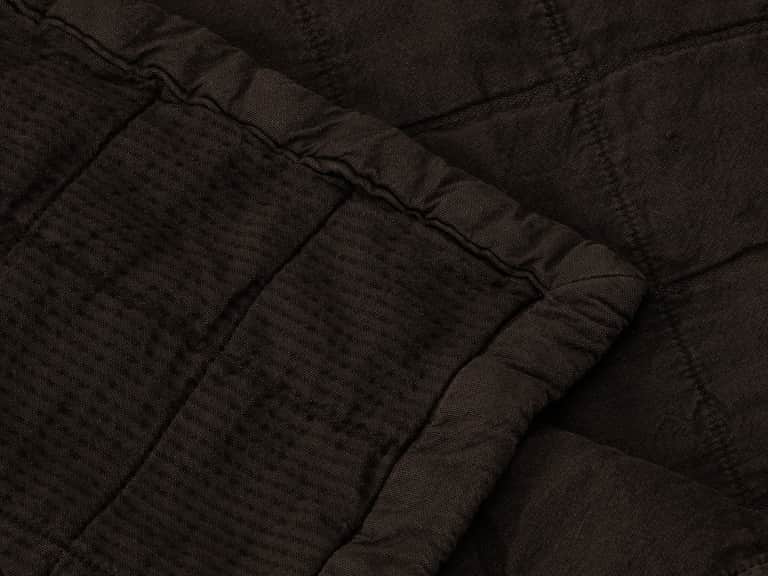
A Practical Guide to Choosing Linen for Quilting: Fabrics, Weaves, and Care

A comprehensive, editorially engaging primer for quilters who want to harness the beauty, breathability, and longevity of linen. From fiber basics to weaving varieties, project-ready guidance, and care rituals, this piece threads history, technique, and modern-day care into a single resource.

Why Linen Shines in Quilting

Linen has long been celebrated in textile traditions for its natural luster, strength, and breathable hand. For quilters, these properties translate into quilts that drape beautifully, breathe with the wearer, and soften into a treasured patina over time. Linen’s unique fiber structure wicks moisture effectively, which contributes to a cooler sleep surface in summer and a comforting weight during transitional seasons. This makes linen a compelling choice for warm climates or for quilters who prize a cool touch and an organic aesthetic.

Beyond comfort, linen carries a story. It’s tied to ancient flax cultivation, artisanal mills, and centuries of craft. When you pick linen for a quilt, you aren’t just selecting a fabric; you’re embracing a material that has traveled from field to loom to your sewing table, with every step imparting character and resilience.

Weights, Weaves, and Finishes: How Linen Behaves in Quilts

The way linen drapes and the way it quilts depend on weight, weave, and finish. Here are practical distinctions to guide your choices:

  • Linen comes in a spectrum from lightweight to medium and heavyweight. Lighter linens (often around 140–180 gsm) lend a soft, drapey quality ideal for summer quilts or layering pieces. Medium-weight linens (roughly 180–260 gsm) offer more body for year-round quilts and can stand up to multiple washings without losing shape. Heavier linens (260 gsm and above) deliver a substantial loft and sound structure for warmth and a pronounced quilt top texture.
  • Weaves: Plain-weave linen provides crisp surface texture and predictable shrinkage, which some quilters use to their advantage in geometric patterns. Slub linen, with its natural irregularity, imparts a rustic, tactile look that highlights hand-stitched details. Belgian linen, celebrated for its longer fibers and refined hand, tends to soften beautifully with use and washing.
  • Finishes: Stone-washed or pre-washed linens offer a softened hand from the start, reducing stiffness and easing the quilting process. Unwashed or minimally processed linens maintain a crisper hand that partners well with high-contrast threadwork and crisp quilting lines.

Practical Guide: Linen by Project Type

Whether you’re crafting a winter-weight quilt for added warmth or a light-weight summer layer, linen’s natural texture can elevate your project. The following sections outline guidance for different quilt ambitions and how to pair linen with batting, threads, and notions.

Cozy Winter Linen Quilts

For winter-leaning quilts, lean into medium to heavyweight linen. Pair with a mid-to-high loft batting to achieve loft without sacrificing breathability. Consider warm-tone colorways and simple geometric motifs to celebrate linen’s texture.

Tip: Stone-washed linen can soften further with repeated washing, making it a forgiving choice for heavier quilts.

Lightweight Summer Layers

A lighter linen (slightly lower gsm) works well with low-loft batting or even as a summer top layer. Keep the quilting density lighter to preserve drape and air flow. Chambray or subtle natural hues can highlight linen’s color variations.

Tip: Consider quilting with larger motifs to take advantage of linen’s texture rather than densely quilting every square inch.

Pattern-Focused Linen Quilts

Linen’s texture shines when pattern, geometry, and line work are prominent. Try quilt patterns that favor negative space, such as log cabin or flying geese, letting the linen’s natural texture define the composition.

Tip: When using linen with high contrast threads, pre-wash both fabric and thread to minimize dye transfer and shrinkage mismatches.

Care, Maintenance, and Longevity: Keeping Linen Quilts Beautiful

Linen is famously durable, but proper care ensures your linen quilts retain their shape, texture, and color. The following practices bridge traditional care with modern washing machines and ethical laundry standards:

  • Washing: Use a gentle cycle with cold to warm water. Prefer mild detergent that preserves fiber integrity. Avoid bleach unless absolutely necessary, and wash linen quilts separately to minimize abrasion.
  • Drying: Line-drying is ideal to minimize stress on fibers, but a low heat tumble-dry can help reduce wrinkles and improve loft. Remove while slightly damp to prevent excessive wrinkling.
  • Iron and press: Iron linen while slightly damp using a warm to hot setting to smooth seams and edges. A pressing cloth can protect the fabric if your linen contains embellishments.
  • Storage: Store quilts flat or rolled to preserve the weave’s integrity. A breathable cotton bag protects against dust while maintaining air circulation.

Three Key Figures Across Time: Linen, Quilting, and Craft

The narrative of linen quilting is enriched by the voices and hands of makers across eras. Here are three influential figures who illuminate linen’s enduring appeal:

Hypatia of Alexandria (c. 370–415)

Ancient scholar and thinker, whose era advanced textile craft through scholarship and empirical curiosity. While not a quilter per se, Hypatia’s spirit embodies the early cultural reverence for natural fibers and the meticulous study of materials that underpins linen’s enduring reputation.
Marie-Antoinette’s Linens (late 18th c.)

Her court drew on linen’s refined hand and finish, elevating domestic textiles to an art form. The lineage of linen as a luxury yet practical fiber is reinforced by royal-era textiles and their influence on modern linen qualities prized in quilting today.

contemporary textile designers: The Linen Guild innovators

Modern designers who celebrate natural fibers—linen among them—through sustainable sourcing, artisanal weaving, and education for makers. Their work mirrors the civic-minded ethos of linenquilt.com: thoughtful sourcing, transparent finishes, and patterns that celebrate materiality.

Each figure reminds us that linen quilting sits at a crossroads of history, technique, and care. From Hypatia’s era of scholarship to contemporary designers championing sustainable craft, linen’s story is a living, breathing craft that invites new quilters to join its legacy.

Starter Resources and a Sample Linen Quilt Starter Plan

To begin your linen quilting journey, consider this starter plan that balances education, practice, and a small project gallery you can curate as you go.

  • Read: A monthly feature on “linen care for quilts” and “weights, weaves, and finishes.”
  • Try and document: Create a 1–2 quilt swatch sampler set in three linen weights and two weaves to compare drape and loft.
  • Practice: Start with a small table runner or crib quilt using Belgian linen for crisp texture and a simple geometric pattern.
  • Document: Photograph your progress, noting shrinkage, texture changes after washing, and how thread choice affects the finished surface.

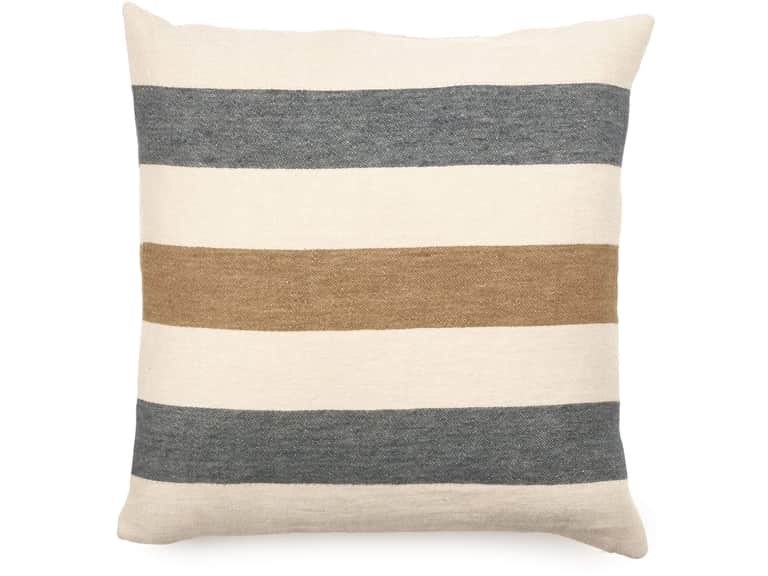
For a tangible example, consider adding a display piece in your pattern gallery: a decorative pillow cover like The Belgian Pillow Pillow Cover Dakota Stripe (20x20) to demonstrate linen’s texture and drape in a small form. This accessory can anchor a color story for your first linen quilts.

Product Spotlight: The Belgian Pillow Pillow Cover Dakota Stripe

A tactile showcase of linen craft, The Belgian Pillow Pillow Cover Dakota Stripe is crafted from 100% linen with a washed finish. It features artisanal yarns with natural variations and a fringe, embodying linenquilt.com’s ethos of texture, authenticity, and sustainable textile practice.

Whether you’re styling a bed with a neutral linen backdrop or using it as a focal accent to demonstrate linen’s character, this cover is a practical entry point into linen-based décor. Note that inserts are sold separately and care guidance emphasizes gentle washing to preserve the fabric’s texture and fringe integrity.

Product Details

Brand: Libeco

Material: 100% linen with washed finish

Finish: 13 oz/yd2, fringe present

Care: Wash at no more than 30C; tumble dry on delicate; wash separately; shake to remove lint

Price: $160.00


Note: Images displayed reflect available product photography. If you’d like, we can feature more linen-focused décor in your gallery and curate a textile-care section that highlights these textures in real-life setups.


This article mirrors the editorial tone of People magazine—bright, engaging, and accessible, aiming to empower readers to approach linen quilting with confidence, curiosity, and a respect for craft heritage.

Related Products

The Belgian Pillow Pillow cover Dakota stripe 20x20"

Libeco · No. 5411502495082

The Belgian Pillow Pillow cover Dakota stripe 20x20"

Experience artisanal charm with 100% washed linen in Dakota stripe—soft, textured, and unique with natural variations. Easy care, lint fades after a few washes, and fringe adds cozy character to any sofa or bed. Sold separately, extends your style.
Bovi Hudson Linen Quilted Coverlet

Bovi

Bovi Hudson Linen Quilted Coverlet

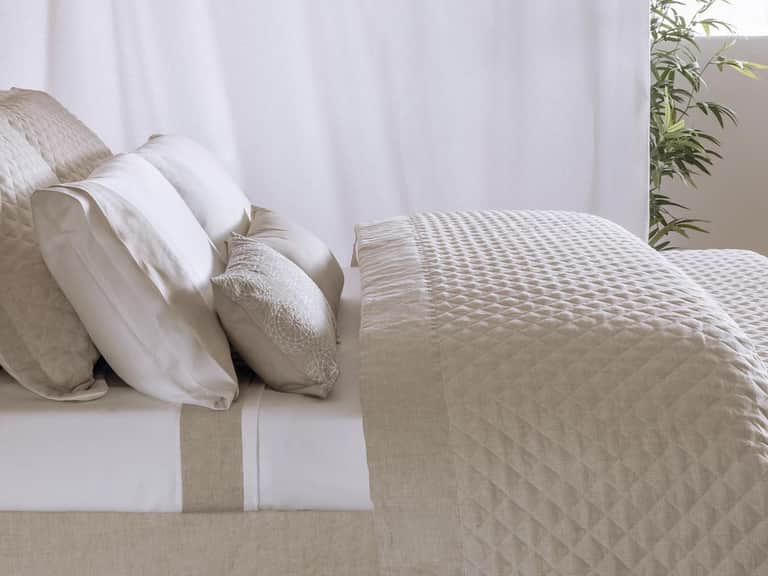
Elegant, breathable linen coverlet for a relaxed yet refined look; stone-washed for softness, cotton percale back for a smooth, comfortable weight, perfect for layering or warm months, crafted in Portugal for lasting natural luxury.
Raes Quilt

Society Limonta

Raes Quilt

Cuddle-soft cotton on top with breathable comfort, plus durable polyester loft that stays fluffy use after use. Its chequered jacquard look adds charm, and you can simply machine wash at home—easy care for busy days.

Theme